In this post I want to talk about what happens in a woman’s body as we get older — maturing, I meant to say, not ageing 😁 — and what working out after 30 actually looks like. A period of change, both physical and mental. I would call this a “short guide to female longevity”.
When we hit level 30 in life, our bodies start to change, gradually but reliably. Some of those changes are visible (you have probably noticed those first permanent lines on your face, I certainly have 😁). Most are not, so we tend to ignore them until they catch up with us to the point where we simply cannot anymore. And that is where the usual story about why exercise is hard begins. We all want instant results, but exercise needs to be seen as a long-term investment. With age, women gradually lose muscle mass, metabolism slows down (throw in a sedentary lifestyle and perfect, we can blame everything on metabolism), hormonal fluctuations kick in especially around perimenopause and menopause, which affects our energy levels, our mood and mood swings, and eventually our bone quality.
Strength
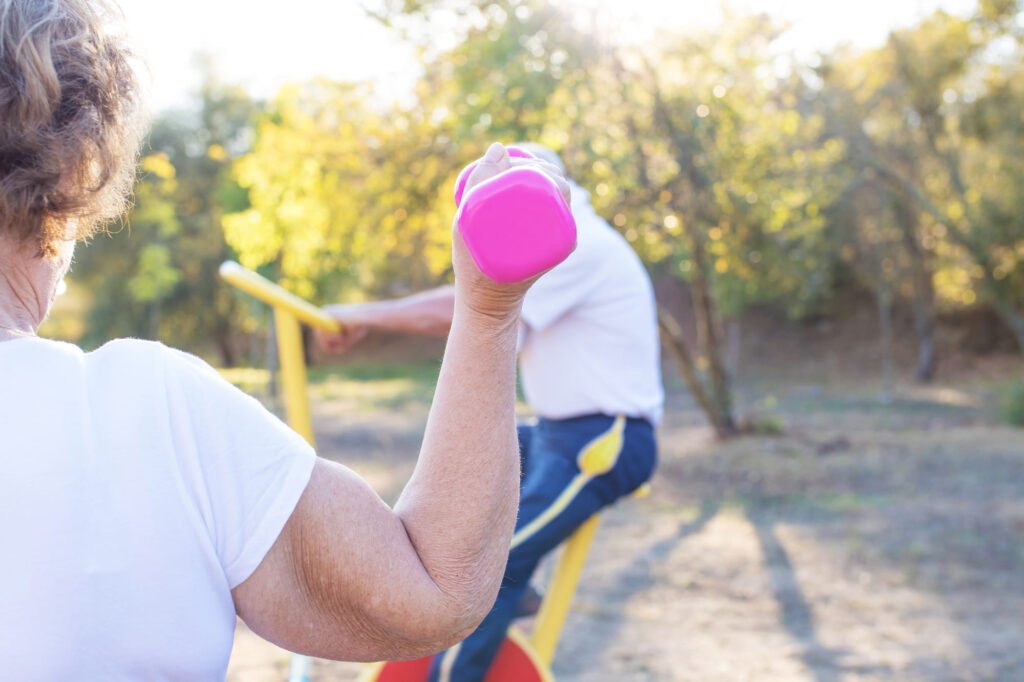
Strength training is the foundation. It is not just about muscles, it is directly connected to hormones, metabolism and even brain health. Strength training increases muscle mass so the body burns more energy even at rest, it improves insulin sensitivity, stabilises blood sugar and increases bone density (when it comes to bones I am talking about plyometric training, even small jumps have a remarkably positive effect). So why is this especially important for women? There is a hormone called oestrogen that has a protective role for muscles, bones and connective tissue. However its levels decrease with age, especially after 40, and that is where strength training steps in to compensate. And yes, I mean training with weights. With actual weights. I will address the fear of getting too bulky in another post. The biggest mistake with this type of training is using too little weight  . Aim for at least twice a week, three times if you can.
Cardio
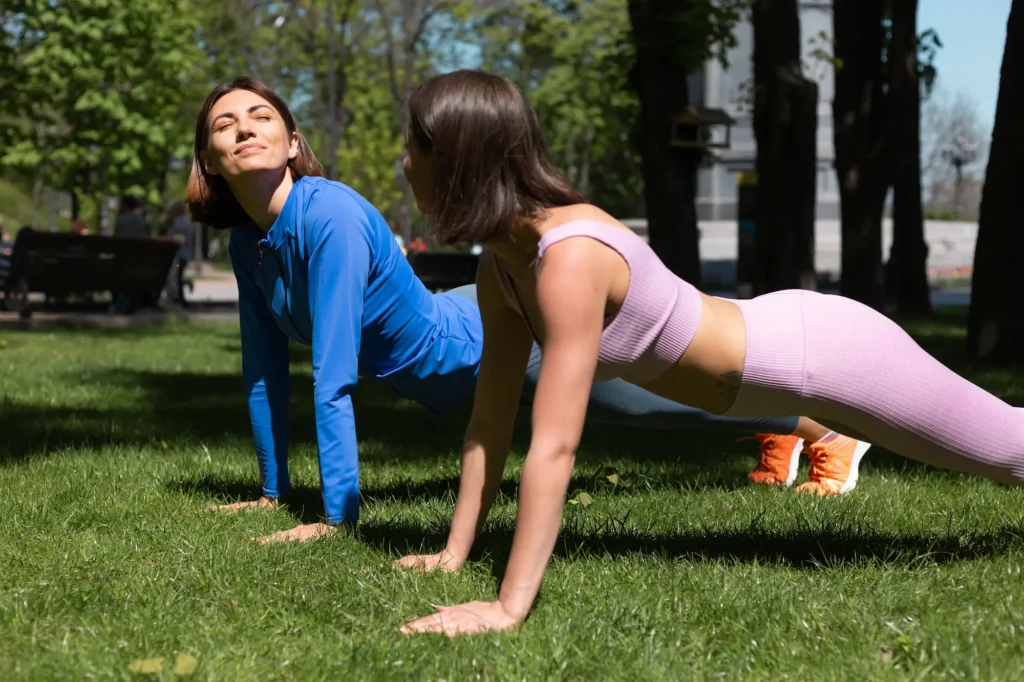
Let’s immediately put to rest the myth that cardio is for weight loss. You do cardio for your cardiovascular health and your longevity. Cardio improves heart and lung function, reduces inflammatory processes in the body and regulates the stress hormone cortisol. When I say cardio I mean any form of cyclical movement: walking, cycling, rowing machine, elliptical, rollerblading… find something you enjoy and do it at least twice a week for around 40 minutes. More is fine too. The goal is not to destroy yourself but to stay at moderate intensity for a longer period of time.
Mobility Training
As joints gradually lose range of motion over time, it makes sense to invest time in developing or at least maintaining your existing mobility. This type of training matters, especially if you have noticed reduced flexibility, changes in your posture or morning stiffness, which is one of the symptoms of menopause. The good news is that we weave this into the training routine so you do not need to set aside a whole separate session for it. It is usually just part of the warm-up at the beginning of another workout.
Working out after 30 is no longer a luxury, it is the foundation of health and quality of life. At this stage the body does not maintain itself. Changes happen quietly but continuously, and investing in exercise is investing in prevention. Regular training improves heart function and reduces the risk of chronic disease, preserves muscle mass and strength, increases bone density and reduces the risk of osteoporosis, regulates hormones including insulin and cortisol, and improves mental health, concentration and stress resilience. I also have to mention the psychological side of exercise because movement reduces symptoms of anxiety and depression, improves sleep quality and increases the sense of control over your own body.
Do not forget that any movement is better than no movement. Discipline and consistency win in the long run. Make friends with exercise. Stop overthinking it, just start and you will find you actually enjoy it.

 . Aim for at least twice a week, three times if you can.